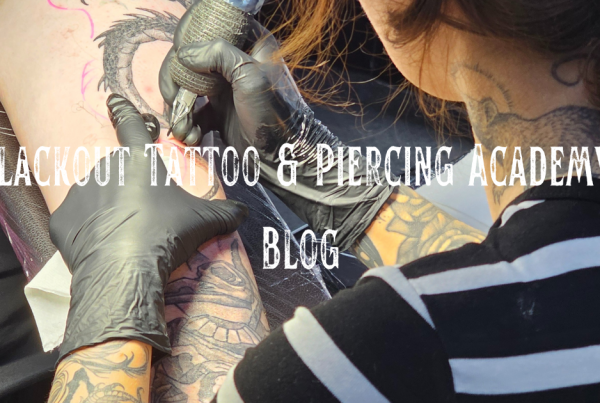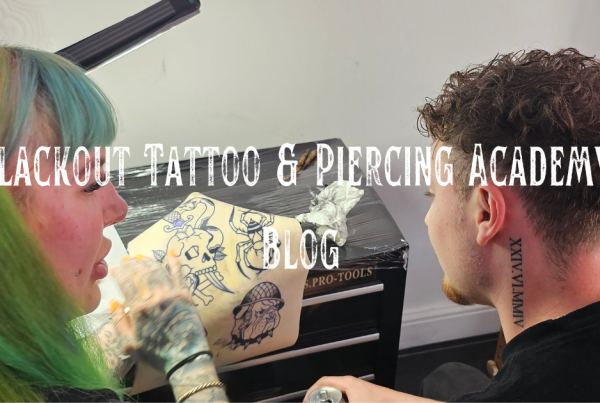
One of the most significant steps in a tattoo artist’s journey is transitioning from practice to permanent artwork on real skin. In the early stages of learning, aspiring tattoo artists often practice on fake skin or other synthetic materials before moving on to real human skin. While both serve a valuable purpose in developing essential skills, there are important differences between the two. Understanding these distinctions can help artists decide when to make the leap from fake to real skin.
The Benefits of Practicing on Fake Skin
Fake skin, typically made from silicone or other synthetic materials, is a great starting point for beginners. Here’s why it’s a valuable tool:
- Low-Risk Environment: Practicing on fake skin allows new artists to hone their technical skills without the pressure of permanent consequences. Mistakes can be made without the worry of damaging a client’s skin or reputation.
- Building Confidence: Working on a practice medium helps artists familiarize themselves with the feel of the tattoo machine, needle depth, and ink flow. The repetition of basic lines, shading, and coloring techniques on fake skin helps develop muscle memory and consistency.
- Flexibility and Availability: Unlike human clients, fake skin is always available for practice, day or night. Aspiring artists can put in hours of practice without needing someone willing to be tattooed. This convenience allows for rapid skill development at the artist’s own pace.
- Understanding Designs: Practicing on fake skin helps artists experiment with intricate designs and different techniques. It’s a space to learn how specific needles affect the result, how shading can create dimension, or how color blending changes a design.
The Challenges of Practicing on Fake Skin
Despite its usefulness, fake skin has limitations:
- Texture Differences: While synthetic skin mimics real skin to an extent, it cannot fully replicate the elasticity, texture, or natural feel of real human skin. Tattooing on fake skin won’t give artists a complete understanding of how needles interact with real skin, which can vary greatly between individuals.
- Healing Process: Fake skin doesn’t offer insights into how tattoos heal. Healing is a crucial part of the tattoo process, affecting the outcome of the artwork over time. With real skin, artists learn how their techniques hold up as the tattoo heals and how to improve their work for better longevity.
- Lack of Realistic Feedback: When tattooing real skin, there’s feedback from both the skin and the client. Fake skin doesn’t provide this, so the artist doesn’t learn how to adjust their technique based on a client’s discomfort or how the skin reacts to the needle.
The Real Skin Experience
Tattooing on real skin presents a whole new set of challenges and opportunities for growth:
- Human Skin Variation: Real skin varies greatly between clients—some have more elastic skin, some have sensitive areas, and skin texture can change across different parts of the body. These variables teach an artist to adjust needle depth, pressure, and technique for each individual.
- Dealing with Movement and Pain: Tattooing on a living, breathing human is an entirely different experience than tattooing on a static piece of synthetic skin. Clients move, and some areas of the body are more painful to tattoo, so artists need to learn how to manage these factors while still producing top-quality work.
- Understanding Healing and Aftercare: Real skin heals, and with this comes an understanding of the tattoo’s durability. Artists can evaluate their work post-healing, learning how ink settles into the skin, how shading holds up, and how to improve their technique for future tattoos.
- Building Client Relationships: Tattooing is as much about technical skills as it is about interacting with clients. Working on real skin gives aspiring artists the chance to develop a professional rapport with clients, manage expectations, and create a positive experience, which is vital for long-term success in the industry.
Making the Transition from Fake Skin to Real Skin
The transition from fake skin to real skin is a significant milestone for any tattoo artist, but it should be made carefully. Before practicing on human skin, it’s essential to have a strong grasp of basic tattooing skills, including line work, shading, and understanding the tattoo machine. Many artists choose to practice on friends, family, or other willing clients under the guidance of a mentor to gain real-world experience in a controlled environment.
Once the artist feels comfortable with their skills on fake skin, it’s time to take the plunge and tattoo real skin. This transition comes with its challenges, but it’s the only way to fully develop the expertise needed to become a successful tattoo artist.
Conclusion: Both Have Their Place
Ultimately, both fake skin and real skin play crucial roles in a tattoo artist’s development. Fake skin provides a safe, pressure-free environment for beginners to learn the basics, build confidence, and experiment with different styles and techniques. However, real skin offers invaluable insights into the true nature of tattooing—the variations in skin types, client interactions, and the healing process are all lessons that can only be learned through hands-on experience.
Aspiring artists should embrace both types of practice to develop their skills and transition confidently into the professional world of tattooing. At Blackout Tattoo Academy, we encourage students to start with fake skin to build a solid foundation before moving on to tattooing real skin under expert supervision, ensuring a safe and successful progression into the tattoo industry.